Leaving Arizona for Kirkland is a big change, and it can feel exciting and overwhelming at the same time. You are trading desert heat for lakeside greenspace and a tech-driven job market. In this guide, you will learn how the weather, housing, commutes, taxes, inspections, and logistics differ so you can plan a smooth, low-stress move. Let’s dive in.
Weather and lifestyle shift
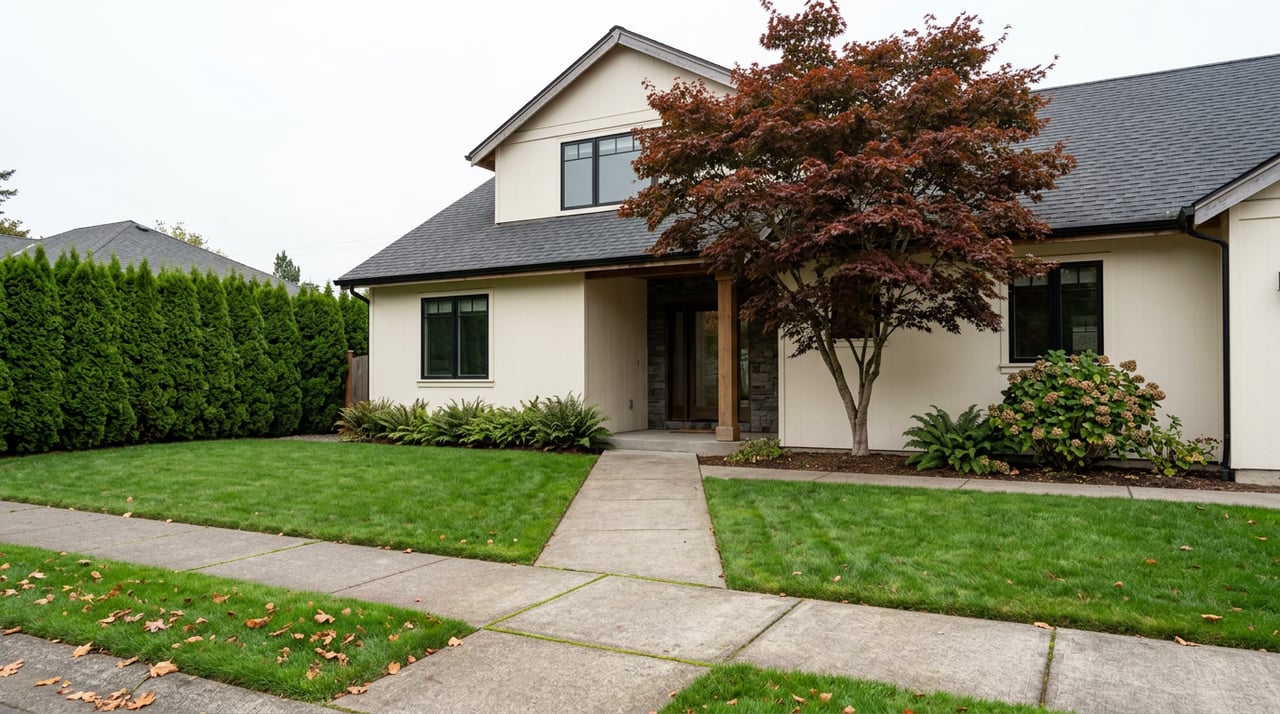
Kirkland sits on Lake Washington and has a temperate, marine climate. Winters are cool and wet, and summers are mild and relatively dry. If you are used to Arizona’s arid heat, you will notice more clouds and steady light rain, along with lush, green landscapes.
Plan to add rain gear, waterproof footwear, and layers for cool, damp days. At home, prioritize efficient heating, good windows, roof drainage, and moisture management such as gutters and attic ventilation. Landscaping needs shift as well. You will irrigate less than in Arizona, and you will watch for moss, drainage, and seasonal leaves.
If you manage allergies, understand that pollen and mold exposures differ from desert climates. National climate data, such as the NOAA U.S. Climate Normals for the Seattle area, can help you set expectations. You can browse the broader dataset through the NOAA climate normals portal.
Kirkland housing strategy
Kirkland is part of the Seattle Eastside market, which is often pricier than many Arizona cities. Your target budget may shift when you compare single-family homes to townhomes or condos. Prices vary by neighborhood, proximity to the lake, commute access, home condition, and topography. School district boundaries can also influence demand, so confirm them during your search.
Neighborhood snapshots
- Moss Bay and Downtown: Waterfront living, restaurants, and an urban-village feel near marinas and parks.
- Juanita: A mix of single-family homes and condos with access to parks and services.
- Houghton and Everest: Established residential areas with quick access to I‑405 for commuters.
- Totem Lake and NE 85th: A redeveloping commercial core with newer multifamily options and retail.
- Lakefront enclaves: Premium pricing and added due diligence for shoreline structures and flood considerations.
Home types and tradeoffs
- Single-family homes: More privacy and outdoor space, with added maintenance for roofs, drainage, and landscaping.
- Townhomes and condos: Usually lower exterior maintenance and often walkable to services, with HOA rules and fees to review.
Commute and transit on the Eastside
Many Kirkland residents work in Redmond, Bellevue, or Seattle. Key routes include I‑405 for north–south travel and SR 520 across Lake Washington. Expect heavier congestion at peak times and faster trips off-peak. If transit matters, check route access in your target neighborhood.
- Buses and regional connections: Review routes and park-and-ride options with King County Metro and Sound Transit to see how your commute lines up.
Some large employers offer transit benefits or shuttle programs, so speak with your HR team. Balance commute time with housing costs, walkability, and access to parks and services when you compare neighborhoods.
Cross-market planning from AZ to WA
Moving between states requires careful timing. Most buyers coordinate their Arizona sale with a Washington purchase, and that can involve contingencies, bridge financing, or short-term housing. Work with a Washington-based Eastside agent who coordinates closely with an Arizona professional to keep contracts, escrow, and closings aligned.
Licensing rules vary by state, so your Washington home purchase must be handled by a Washington-licensed agent. Your Arizona sale should be handled by an Arizona-licensed agent. Strong coordination across both sides helps you avoid gaps and last-minute surprises.
Timing, offers, and contingencies
- Market pace: Listing timelines in Arizona can differ from Kirkland, and Eastside homes near the lake or transit corridors can move quickly.
- Offer strategy: In competitive segments, plan for tight timelines and clear terms. Consider rent-backs, sale contingencies, or short-term rentals if needed.
- Escrow differences: Title, escrow, and forms vary by state. Align your closing dates and wire schedules early.
Financing and taxes
- Preapproval: Get preapproved before touring so you can move quickly on the right Kirkland home. Underwriting can differ for condos versus single-family homes.
- State taxes: Washington has no state personal income tax. State revenue relies more on sales and property taxes, and Eastside property tax bills can be substantial because values are often higher. Review state tax basics through the Washington Department of Revenue, and consult a qualified tax advisor about residency, property taxes, and the sale of your Arizona home.
Inspections and PNW due diligence
Homes in the Pacific Northwest face steady rain, tree cover, and varying topography. Inspection focus areas often include:
- Roof condition and drainage performance
- Crawlspace ventilation and moisture
- Siding, windows, and insulation performance
- Trees, slope stability, and site drainage
- For waterfront or nearshore homes, engineering review of bulkheads, seawalls, and shoreline permits
Waterfront and flood checks
If you are considering lake-adjacent property, ask your agent to check flood maps, shoreline regulations, and any insurance needs. King County publishes guidance and hazard information that can help you understand local conditions. Start with King County’s overview of flooding and floodplain services and plan any additional reports with your inspector and engineer.
Schools and boundaries
Much of Kirkland is served by Lake Washington School District. Always verify current school boundaries and enrollment procedures, since they can change. You can review district resources at the Lake Washington School District.
Utilities and registrations checklist
- Utilities: Identify providers for electric, natural gas, water, sewer, and internet. The City of Kirkland offers local service information and resident resources.
- Driver and vehicle: Review deadlines for new residents and vehicle registration through the Washington State Department of Licensing.
- Insurance: Ask your insurer about rain, wind, and any waterfront exposures. Coverage and premiums differ from Arizona.
- Health and records: Transfer medical and school records, and schedule new providers near your target neighborhood.
Sample relocation timeline
- 90 days out: Connect with a Kirkland agent, define your budget, and start a preapproval. Outline your Arizona listing plan and ideal move window.
- 60 days out: Tour priority neighborhoods, review school boundaries, and map commute options. Prep your Arizona home for market.
- 30 days out: List in Arizona if needed, confirm short-term housing or rent-back options, and review Kirkland offer strategies.
- Week of move: Coordinate movers, utilities, and closing dates. Keep funds and IDs ready for escrow.
- First 30 days in Kirkland: Finalize registrations, set up local services, and complete any post-inspection repairs.
Helpful resources
- City services and utilities: City of Kirkland
- Property research and taxes: King County Assessor
- Transit routes and park‑and‑rides: King County Metro and Sound Transit
- School boundaries and enrollment: Lake Washington School District
- Floodplain and hazard info: King County flooding resources
- New resident driver and vehicle rules: Washington State Department of Licensing
- Washington tax basics: Washington Department of Revenue
- Regional climate context: NOAA U.S. Climate Normals
Ready to move with confidence?
A cross-state relocation is easier when you have one organized point of contact guiding both timelines. If you want a local Eastside strategy, Arizona coordination, and clear communication from first tour to final closing, connect with Jennifer Rogers. She will help you compare neighborhoods, fine-tune your offer, and arrive ready.
FAQs
How does Kirkland weather differ from Arizona?
- Expect cooler, wetter winters and milder summers. Plan for rain gear and home features that manage moisture, including roof drainage and ventilation.
Are Kirkland home prices higher than in Arizona?
- In many cases, yes. Eastside pricing is often higher than in many Arizona markets. Your budget may stretch more in condos or townhomes than in single-family homes.
What are common Kirkland commute options?
- Many residents drive on I‑405 and SR 520 or use regional buses. Check routes with King County Metro and Sound Transit, and compare peak versus off-peak travel times.
What due diligence is needed for waterfront homes?
- Ask for inspections focused on bulkheads or seawalls, review flood zones, and confirm any permits. Coordinate with inspectors and engineers before finalizing terms.
How should I coordinate agents for an Arizona-to-Kirkland move?
- Work with a Washington-based Eastside agent for your purchase and an Arizona agent for your sale. Strong coordination keeps contingencies, escrow, and timing aligned.