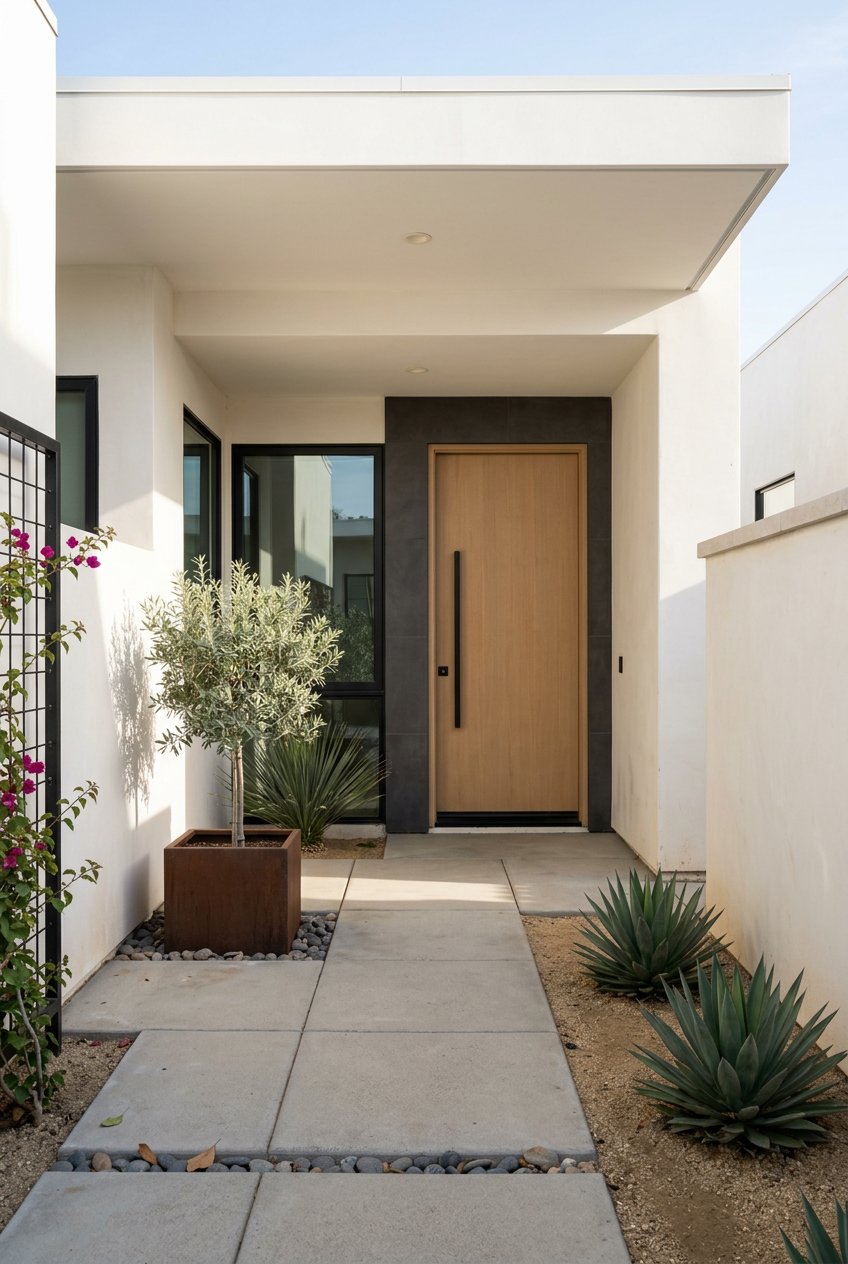
Thinking about a Phoenix home you can lock, leave, and love coming back to? You’re not alone. Many snowbirds, relocators, and busy professionals want a simple, secure base in the Valley that does not demand constant upkeep. The big choice usually comes down to a condo or a single‑family house.
In this guide, you’ll compare costs, HOA rules, rental and permitting basics, and everyday maintenance realities. You’ll also see which neighborhoods tend to fit a lock‑and‑leave lifestyle and get a simple checklist to make the call with confidence. Let’s dive in.
What lock‑and‑leave means in Phoenix
A lock‑and‑leave home lets you come and go with minimal to‑do lists. In Phoenix, that often means: secure entry, exterior maintenance handled, and low daily oversight when you are away. Condos usually check these boxes with shared security and building services. Houses can work too if you prefer more control and arrange reliable vendors.
Phoenix’s climate adds a twist. Cooling costs and routine A/C care are part of life here, so any lock‑and‑leave setup should include a plan for HVAC maintenance and periodic property check‑ins.
Cost comparison at a glance
Purchase price and value context
Phoenix’s market has cooled from peak pandemic levels. The median closed sale price for homes was about 450,000 in January 2026, and different indices placed the “typical” home value near 403,800 with observed rents around 1,550. Condos often offer a lower entry price than single‑family homes, though luxury towers can command a premium. Always compare by micro‑neighborhood and building.
HOA dues and reserves
Condo HOA dues in Phoenix commonly range from the low hundreds to several hundreds per month depending on amenities like pools, gates, or front desk staffing. Some metro samples show averages near the mid‑100s, but every community differs. The key is what you get for your dues and whether reserves are healthy. Ask for the budget, latest reserve study, and any known or pending special assessments.
Taxes and insurance
- Property taxes: Maricopa County’s effective property‑tax rates are often below many U.S. metros, with common effective ranges around 0.4 percent to 0.6 percent, but each parcel’s rate varies by city, school, and special districts. Use a local calculator to estimate and always verify the parcel’s bill. See an overview of Arizona property taxes to understand components and billing schedules.
- Insurance: Condo owners typically carry an HO‑6 policy for interior items and liability because the association’s master policy covers the building exterior and common areas. Single‑family owners carry an HO‑3 policy that insures the full structure. HO‑6 premiums are usually lower in absolute dollars, but ask about loss‑assessment and other endorsements that can fill coverage gaps. Learn the differences between condo and homeowners insurance so you can compare true costs.
Maintenance and utilities
- Condos: Exterior maintenance and common areas are handled by the association. You trade control for convenience, and timing is set by the HOA budget and board decisions.
- Houses: You manage roof, yard, exterior paint, pool, and security directly or through vendors. That can be a plus if you want control, but it requires planning.
- Phoenix‑specific: Factor in A/C age and service records during inspections. Cooling is a major utility line item, and a proactive maintenance plan supports a true lock‑and‑leave lifestyle.
HOA rules and Arizona law basics
Arizona requires robust resale disclosures for condos and planned communities. Before you buy, request the full resale packet as early as possible. It should include the declaration and CC&Rs, bylaws, rules, current budget, reserve study, unpaid assessments, and any litigation summaries. State statutes outline these requirements and limit certain resale fees. Review them here for planned communities under ARS 33‑1806.
Why it matters: The packet reveals rental restrictions, owner‑occupancy rules, reserve funding levels, and any special assessments. All of these affect your monthly costs and how easy it will be to lock and leave.
Renting your place when you are away
If you plan to rent your home while you are gone, two layers matter: city rules and your HOA’s governing documents.
- City of Phoenix permit: A short‑term rental permit is required for stays under 30 days. The application runs through the SHAPE PHX portal. The fee is 250 dollars for both initial and renewal, and the city must approve or deny a complete application within seven days. Review the City of Phoenix STR permit process for details.
- Insurance and notices: The ordinance requires at least 500,000 dollars of aggregate liability coverage or platform‑equivalent proof, a valid Arizona TPT license, and certified‑mail notices to neighbors and HOAs within 600 feet before operation. The permit number must appear in all advertising. See Phoenix’s STR ordinance provisions.
- HOA permissions: Your HOA can be more restrictive than city rules. Many associations limit minimum lease terms or prohibit short‑term rentals outright. Confirm the CC&Rs and get written clarification from the association before you buy.
Condo vs house: lifestyle tradeoffs
Why condos win lock‑and‑leave
- Shared security and controlled access
- Exterior and common‑area maintenance included
- Amenity packages that support part‑time living
Why some buyers prefer houses
- More privacy and control over improvements and contractors
- Easier parking, loading, and guest access in many areas
- Fewer rules about finishes, fixtures, or pets
Watchouts on both paths
- Condos: Governance risk. Reserves can be underfunded, and special assessments can occur. Dues can rise with capital projects.
- Houses: You are responsible for vendor oversight and scheduling. Landscaping, pool care, and exterior maintenance must be arranged to protect the property while you are away.
Neighborhood fit for lock‑and‑leave
- Downtown and Roosevelt Row: High‑rise and mid‑rise options with strong lifestyle amenities. Expect to pay for views and services.
- Biltmore and Camelback Corridor: Resort‑style condos and townhomes popular with seasonal and downsizing buyers. Dues and purchase prices tend to be higher, balanced by convenience.
- Suburban master‑planned areas: Single‑family homes within HOAs can function as lock‑and‑leave with the right vendor plan, though exterior tasks remain your responsibility.
Resale and rental outlook
Condos often attract investors, second‑home owners, and downsizers. Single‑family homes often draw primary‑resident buyers. Phoenix has seen higher inventory and more listings sitting for 60+ days in recent cycles, which can shift leverage to buyers in certain neighborhoods. If resale flexibility matters, study your target micro‑market’s days on market and buyer pool.
Quick decision checklist
Use this to compare a specific condo and a specific house side by side.
- Travel plan: How long and how often will you be away? Prioritize secure entry and on‑site or responsive management if it is months at a time.
- HOA packet: Get CC&Rs, budget, reserve study, meeting minutes, and last audited financials before finalizing your offer. Arizona law supports your right to key disclosures.
- Rental intent: Confirm HOA rental rules and Phoenix’s STR permit requirements. Budget for the 250 dollar permit fee and the 500,000 dollar liability minimum if doing STRs.
- Monthly run‑rate: Add HOA dues, insurance, property taxes, utilities, and expected maintenance, then compare to a single‑family home’s carrying costs.
- Resale buyer pool: Choose the product likely to appeal to future buyers in your area.
- Local support: Line up a trusted property manager or local contact for inspections and emergencies if you will be gone for long stretches.
Next steps
If convenience and simplicity rank first, a well‑run condo can deliver a true lock‑and‑leave lifestyle. If control and privacy lead your priorities, a single‑family home with the right vendor team can work just as well. Either path benefits from careful review of HOA health, rental rules, and total monthly costs.
When you are ready to compare properties, review HOA documents, and build a clear budget, connect with Jennifer Rogers for attentive, white‑glove guidance across Phoenix and Scottsdale. Explore options and start a plan with Jennifer Rogers.
FAQs
What is a lock‑and‑leave home in Phoenix?
- A property you can secure and leave for weeks or months with minimal upkeep, typically featuring strong entry security plus exterior and common‑area maintenance handled by an HOA or reliable vendors.
How much are typical Phoenix condo HOA dues?
- Many condos run from the low hundreds to several hundreds per month depending on amenities and services, but you should confirm the specific community’s budget, reserves, and any planned assessments.
Are short‑term rentals allowed in Phoenix condos?
- The City of Phoenix requires a short‑term rental permit, insurance, TPT licensing, and neighbor notice, but your HOA can be more restrictive or prohibit STRs, so verify CC&Rs and get written confirmation before buying.
What must Arizona HOAs disclose at resale?
- Buyers are entitled to key documents such as CC&Rs, bylaws, rules, budgets, reserve studies, unpaid assessments, and litigation summaries under state statute, which helps you evaluate costs and restrictions.
How do Phoenix property taxes compare to other metros?
- Maricopa County’s effective rates are often lower than many U.S. areas, commonly around 0.4 percent to 0.6 percent, but each parcel’s combined rate varies by city, schools, and special districts.
Is a house viable as a lock‑and‑leave in Phoenix?
- Yes, if you set up dependable local help for landscaping, pool care, exterior maintenance, and periodic check‑ins and ensure your A/C is serviced and monitored during hot months.