If you live on Seattle’s Eastside, buying a second home in Scottsdale can sound almost too easy: a short flight, sunshine for most of the year, and a place to escape the gray months. But a smart second-home purchase is about more than warm weather. You need the right location, a realistic budget, and a clear plan for how the home will be used when you are not there. This guide will help you think through the key decisions so you can buy with more confidence. Let’s dive in.
Why Scottsdale Appeals to Eastside Buyers
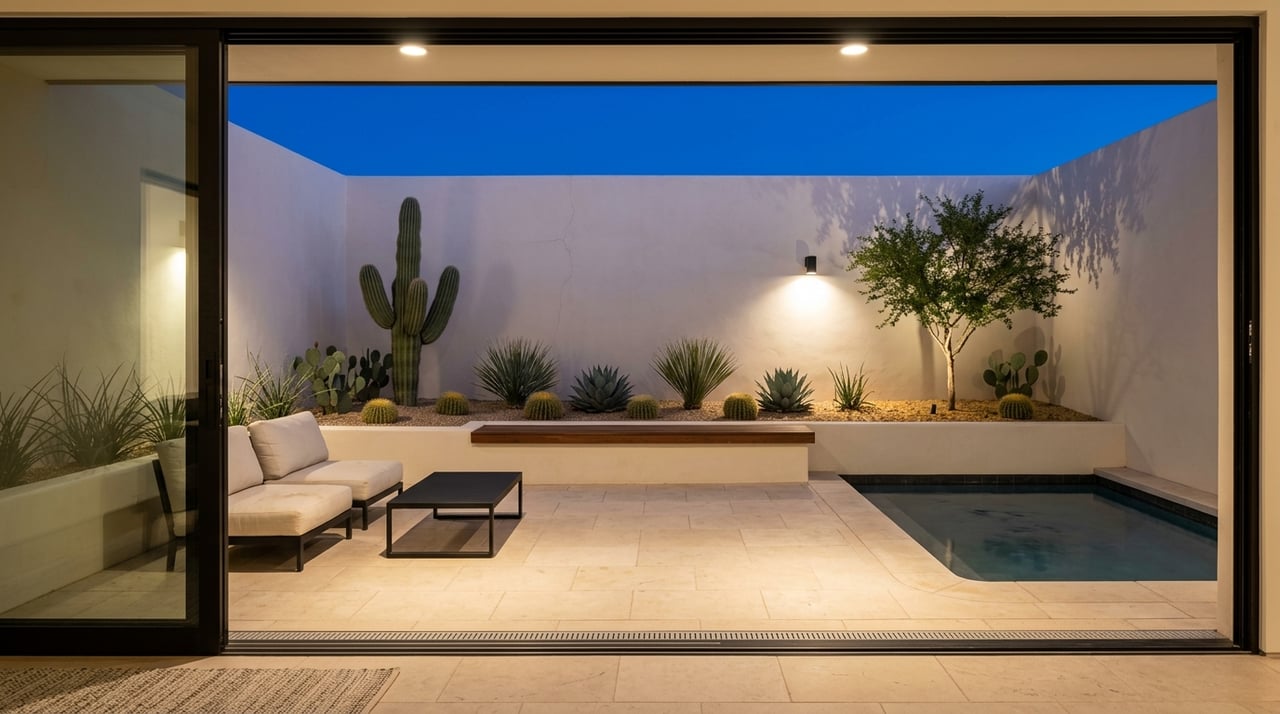
Scottsdale is a natural fit for many Eastside buyers who want a seasonal second home. According to the City of Scottsdale, the city sees 314 sunny days each year and just 7.66 inches of annual rainfall. That climate can be a major draw if you want a brighter, drier place to spend part of the year.
At the same time, weather should shape how you plan to use the home. The McDowell Sonoran Preserve information on Scottsdale’s site notes that triple-digit temperatures are common from May through about September. For many Seattle-area owners, that makes Scottsdale most appealing as a fall, winter, and spring retreat rather than a full-time year-round escape.
Travel From Seattle Is Manageable
One reason Scottsdale works so well as a second-home market is access. Current Seattle-to-Phoenix flight options show daily nonstop service, with the fastest nonstop flight around 2 hours and 44 minutes. Multiple airlines offer nonstop routes, which makes weekend visits, inspections, and in-person closing appointments much more realistic.
That convenience can make long-distance ownership feel less intimidating. Still, easy flights do not solve the day-to-day questions of who checks on the home, how you handle maintenance, and whether the property will sit vacant between visits. Those issues matter just as much as airfare when you are choosing the right second home.
Choose the Right Scottsdale Area
Scottsdale is not one small, uniform market. The city stretches 31 miles from north to south across 184.5 square miles, according to the City of Scottsdale. That means your lifestyle, drive times, and upkeep expectations can look very different depending on where you buy.
Old Town and Central Scottsdale
If you want easy access to dining, shopping, and an active in-town feel, Old Town and nearby central areas may stand out. Scottsdale says Old Town includes more than 90 restaurants, 320 retail shops, and more than 80 art galleries. For some second-home buyers, that kind of convenience supports a more lock-and-leave lifestyle because there is plenty to do without planning a long drive.
This type of location can be especially appealing if you expect to use the home for shorter trips. You may prefer a property where you can arrive, settle in quickly, and enjoy the area without needing to coordinate a full schedule around driving.
North Scottsdale and Preserve Access
If your idea of a second home is quieter surroundings and outdoor access, north Scottsdale may be a better fit. The McDowell Sonoran Preserve offers more than 60 miles of trails, which is a strong draw for buyers who value hiking and open desert views.
In areas like these, the tradeoff is often a different rhythm of living. You may gain more space and a calmer setting, but you should also think about drive times, service access, and how much ongoing exterior maintenance the property may require when you are away.
Start With Your Intended Use
Before you look at homes, decide how you want the property to function. This is one of the most important parts of buying a Scottsdale second home from out of state because your intended use affects financing, taxes, and local compliance.
A simple framework can help:
- Personal second home: You plan to occupy the property part of the year for your own use.
- Occasional rental: You will use it personally, but may rent it out during certain periods.
- Investment property: Rental income is a primary goal.
That choice matters early, not later. If you think you are buying a second home but plan to use it like a rental, the financing and tax treatment may not line up with your original plan.
Understand Second-Home Financing Basics
Financing for a second home can be different from financing for your primary residence. According to Freddie Mac’s conforming loan guidelines, some second-home buyers may qualify for up to 90% financing, which means a 10% down payment may be possible in some cases.
However, lower down payments can come with added costs. The Consumer Financial Protection Bureau notes that loans with less than 20% down often require mortgage insurance. Fannie Mae also states that some second-home loans can include additional pricing adjustments, which can make financing more expensive than it would be for a primary home.
What Qualifies as a Second Home
Fannie Mae’s occupancy rules for second homes are specific. A qualifying second home must be occupied by you for part of the year, be a one-unit dwelling, be suitable for year-round occupancy, remain under your exclusive control, and not be subject to an arrangement that gives a management firm control over occupancy.
For Eastside buyers, this is important because it draws a line between a true second home and a more rental-driven purchase. If your real goal is flexibility to rent often, you should understand that from the beginning rather than after you are already under contract.
Budget Beyond the Purchase Price
A second home budget should go well beyond down payment and monthly mortgage costs. The CFPB says buyers should prepare for closing costs, moving costs, furniture, repairs, and home improvements. It also notes that homeowners need to budget for property taxes, insurance, repairs, and any homeowners association dues.
Closing costs alone typically range from 2% to 5% of the purchase price, according to the CFPB. If you are furnishing a Scottsdale property from scratch, your setup costs may also be more significant than you expect, especially if you want the home fully ready for short stays right away.
Know the Tax and Use Rules
Tax treatment depends heavily on how you use the home. IRS Publication 936 explains that a second home can qualify as a second home for tax purposes if it is not held out for rent or resale. If it is rented part of the year, you must use it as a home for more than 14 days or more than 10% of the rental days, whichever is longer, or it may be treated as rental property instead.
The same IRS publication also notes that mortgage interest is deductible only for a main home or second home, unless the loan proceeds were used for another deductible purpose. Because tax treatment can shift based on occupancy and rental patterns, it is wise to think through your intended use before you buy rather than trying to sort it out afterward.
Scottsdale Rental Rules Matter
If you are even considering occasional rental use, local rules deserve close attention. The City of Scottsdale’s short-term rental page states that vacation rentals and short-term rentals are allowed by right in residential districts unless HOA rules restrict them. The city defines these rentals as stays of less than 30 days.
Scottsdale also requires compliance steps that out-of-state owners should not overlook. The city states that short-term rentals are subject to occupancy limits, county registration, an emergency contact requirement, a complaint-response contact, and a Transaction Privilege Sales Tax license, along with transient tax obligations. In other words, once a personal second home starts functioning like a rental, the administrative workload becomes much more involved.
HOA Rules Can Change the Whole Plan
City rules are only part of the picture. Scottsdale specifically notes that HOA rules may restrict short-term rentals. That means a property can be in a city area where rentals are generally allowed, but the community’s recorded rules may still limit or prohibit the use you had in mind.
For that reason, HOA review should never be an afterthought. If occasional rental flexibility matters to you, that needs to be part of your home search criteria from day one.
What Out-of-State Owners Should Plan For
Remote ownership works best when expectations are clear. The Maricopa County Assessor states that a primary residence is the main home where you or a qualified family member lives more than seven months of the year. If your Scottsdale property is used as a vacation home, leased, or rented while you claim another state as your primary residence, it cannot qualify as a primary residence.
That distinction matters for both planning and paperwork. Maricopa County also says that a residential rental owner who lives outside Arizona must designate an in-state statutory agent for legal service. If rental use is part of your plan, you should be prepared for a more formal ownership setup.
A Practical Checklist Before You Buy
When you live on the Eastside and shop in Scottsdale, clarity saves time and helps avoid expensive mistakes. Before you buy, try to answer these questions:
- How will you use the home most of the year?
- Which Scottsdale area best matches your routine and preferred activities?
- Will the property sit vacant for long stretches?
- Do HOA rules support your intended use?
- Are you budgeting for closing costs, furnishings, taxes, insurance, and ongoing upkeep?
- If you plan to rent, do you understand city, county, lender, and tax requirements?
The more clearly you answer those questions, the easier it becomes to narrow your options. You are not just buying a house. You are building a workable long-distance ownership plan.
Why Dual-Market Guidance Helps
Buying a second home is easier when your agent understands both sides of the move. If you live on the Eastside, you may be balancing travel patterns, financing questions, timing around your primary home, and the logistics of managing a property in Arizona.
That is where working with someone who understands both the Bellevue-area lifestyle and the Scottsdale market can make the process feel far more organized. With the right guidance, you can focus on buying a property that fits how you actually plan to live, not just one that looks good in photos.
If you are thinking about buying a Scottsdale second home while living on the Eastside, Jennifer Rogers can help you navigate the process with a thoughtful, hands-on approach across both markets.
FAQs
What makes Scottsdale appealing for Eastside second-home buyers?
- Scottsdale offers 314 sunny days a year, low annual rainfall, and easy access from Seattle, which makes it attractive for seasonal use, especially from fall through spring.
How long is the flight from Seattle to Phoenix for Scottsdale second-home owners?
- Current flight options show daily nonstop service, with the fastest nonstop flight taking about 2 hours and 44 minutes.
What financing rules apply to a Scottsdale second home?
- Some second-home buyers may qualify for up to 90% financing, but lender rules for occupancy, property type, and borrower control are stricter than they are for some primary-home purchases.
Can you rent out a Scottsdale second home occasionally?
- You may be able to, but your plan must fit city rules, HOA restrictions, lender requirements, and IRS guidelines on personal use and rental use.
Do Scottsdale short-term rental rules affect out-of-state owners?
- Yes. If you use the home as a short-term rental, Scottsdale requires compliance steps such as registration, local contacts, tax licensing, and adherence to occupancy rules.
Can a Scottsdale second home be treated as a primary residence?
- Maricopa County says a primary residence must be your main home for more than seven months of the year, so a vacation home in Scottsdale generally would not qualify if your primary residence is in another state.