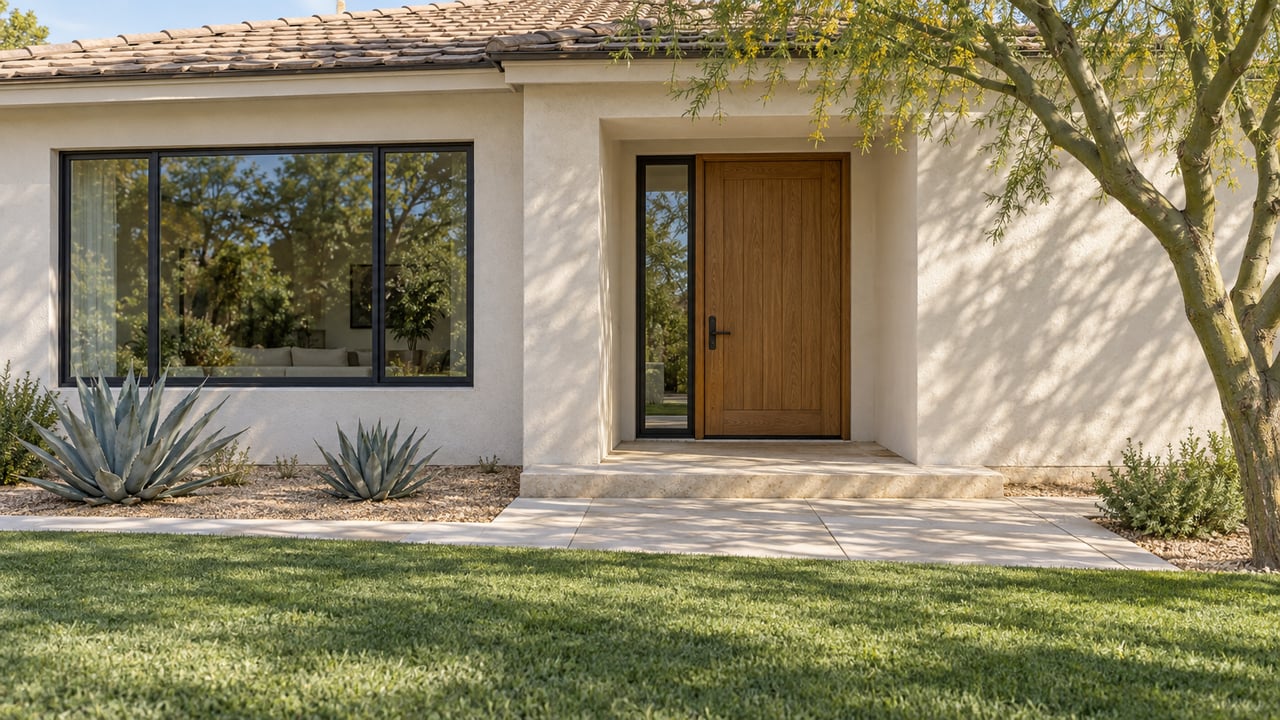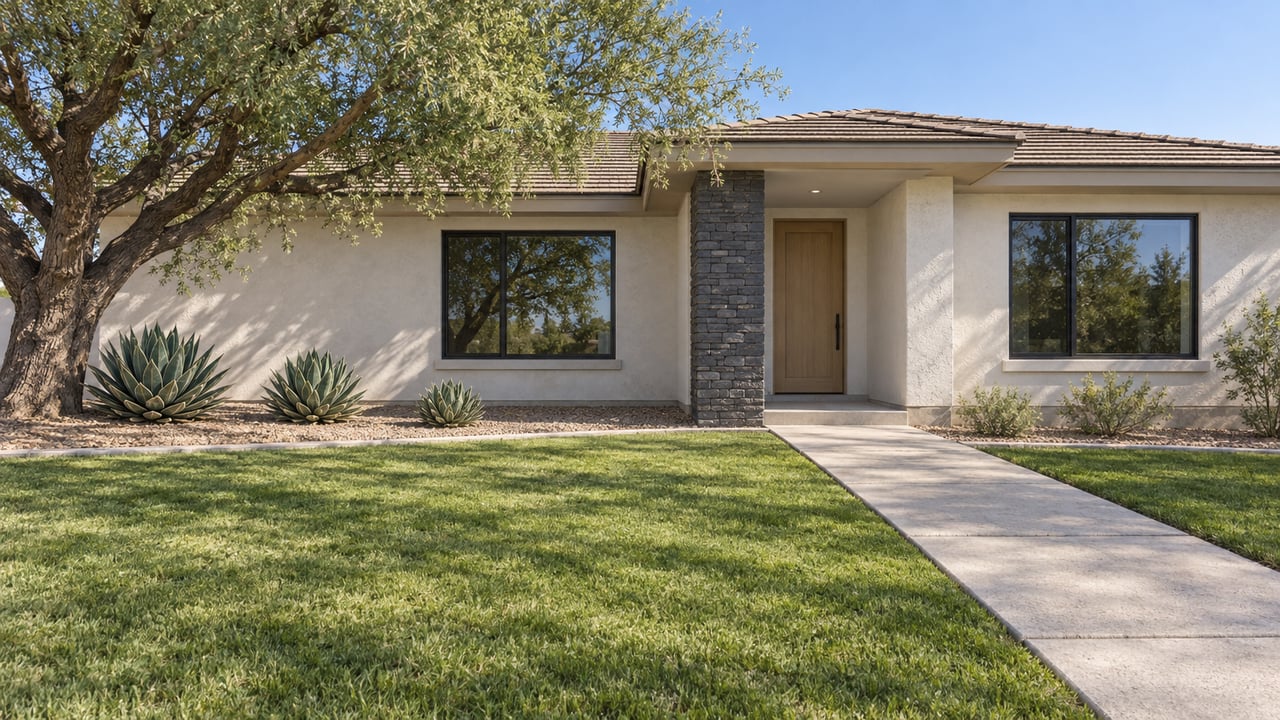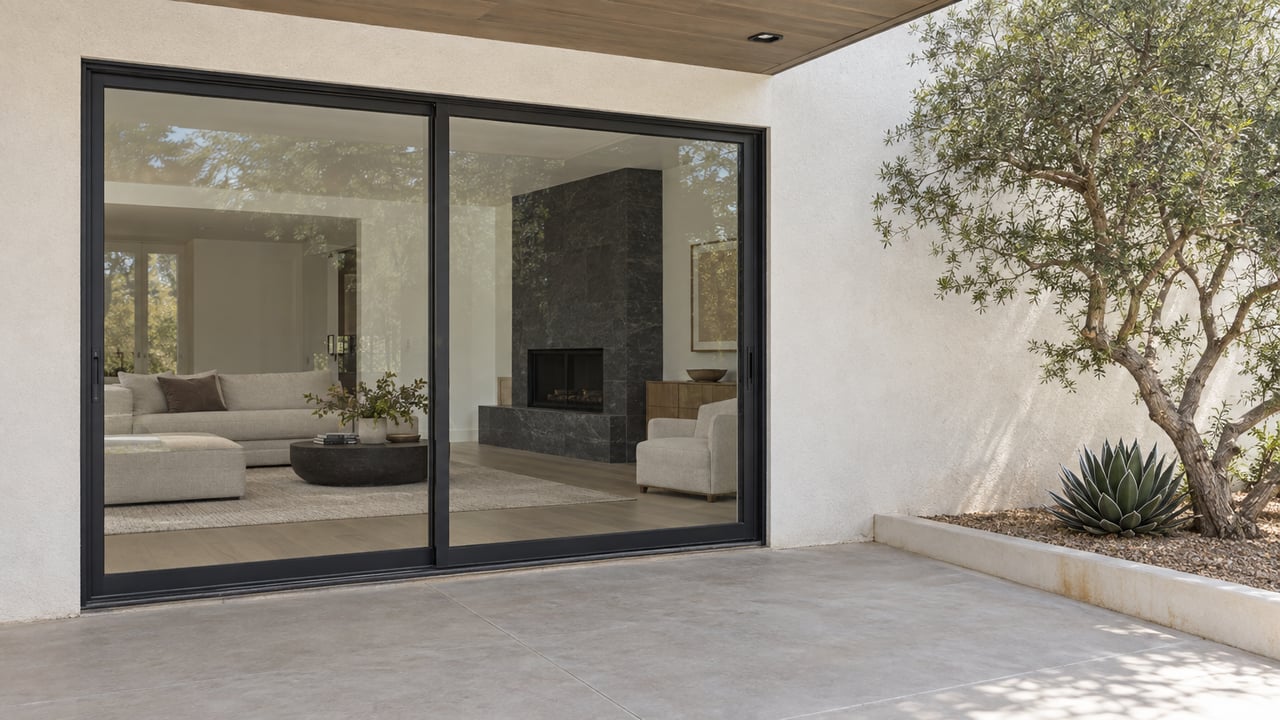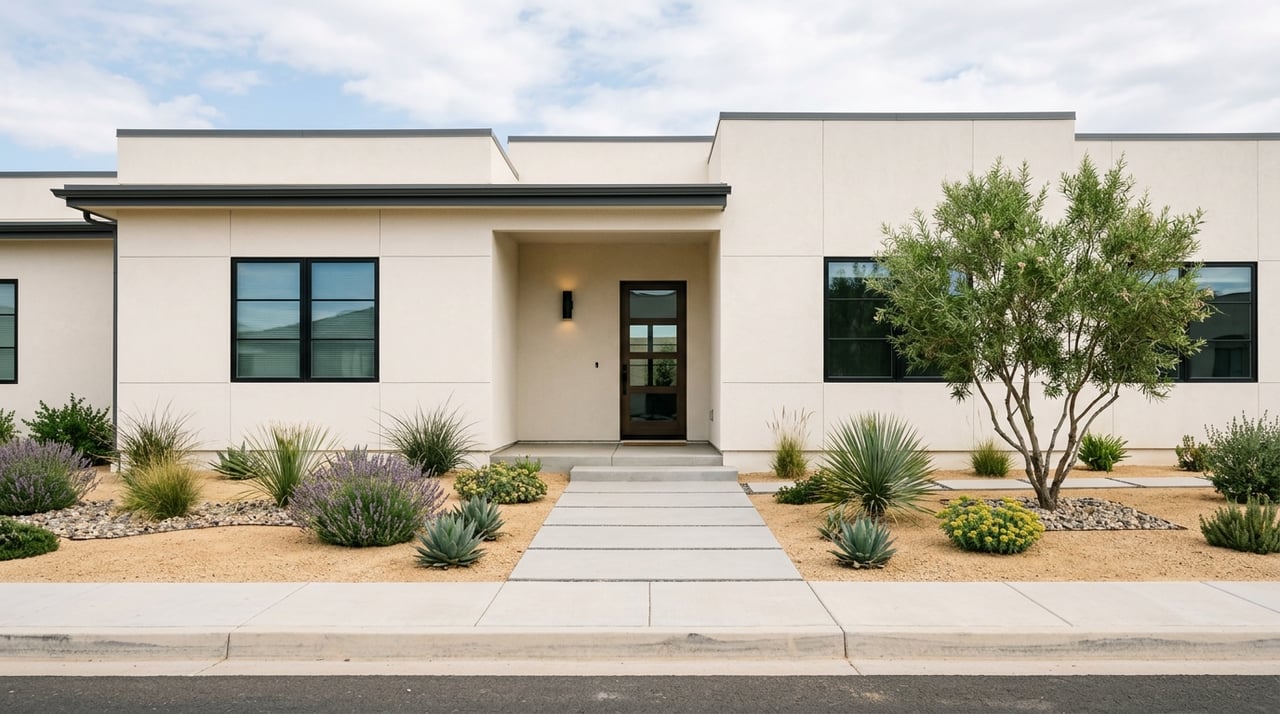
If you walk into a Chandler model home and fall in love with the finishes, you are not alone. New-build communities are designed to impress, but the smartest buying decision comes from looking beyond the staged rooms. When you compare the builder, the lot, the HOA, and the area around the home, you can choose with more confidence and fewer surprises later. Let’s dive in.
Start With the Whole Community
A new-build home is only part of the purchase. In Chandler, your day-to-day experience can also be shaped by future land use, nearby roads, HOA rules, and the quality of shared amenities. That is why it helps to evaluate the neighborhood and the house together.
Chandler treats its General Plan as a long-range guide for physical, economic, and social development, and the city updates planning tools and zoning information over time. For you, that means the land around a new community may matter just as much as the floor plan you choose. A beautiful home can feel very different if future development changes traffic patterns, nearby uses, or the feel of the immediate area.
Check future land use early
Before you get attached to a specific lot, review current zoning cases and planning information for the surrounding area. This can help you understand what may be built nearby and whether adjacent land is likely to stay similar or change over time.
This step matters for resale too. Buyers often focus on interiors first, but future adjacency can influence long-term appeal. A strong community choice starts with understanding what is around you now and what may come next.
Look at transportation access
Chandler updated its Transportation Master Plan in 2019 to reflect growth and changing transportation needs. That makes road access, commute routes, and broader transportation context important parts of your evaluation.
A community that feels quiet during a weekend tour may function differently once you live there full time. Consider how you will enter and exit the neighborhood, how close major routes are, and whether future transportation changes could affect convenience or noise.
Evaluate the Builder Before the Floor Plan
A polished sales center is helpful, but it should not replace due diligence. One of your first steps should be verifying the builder through the Arizona Registrar of Contractors.
The Arizona Registrar of Contractors licenses and regulates contractors, investigates complaints, and provides a contractor search. That makes the license record a practical starting point when you want to confirm who you are buying from. It is a simple way to move from marketing claims to official information.
Questions to ask about the builder
When you visit a community, ask clear questions and get answers in writing when possible:
- What is included in the base price?
- Which finishes, structural changes, or design items are upgrades?
- What is the builder warranty, and how long does each component last?
- Does the warranty require mediation or arbitration?
- What is the builder’s license history with the Arizona Registrar of Contractors?
These questions matter because new-home pricing can expand quickly once upgrades are added. The list price on the sign may not reflect the total cost of the home you actually want.
Understand warranty language
Warranty terms are easy to gloss over when you are excited about a new home. Still, they are important. A builder warranty typically covers permanent parts of the home such as concrete, plumbing, and electrical systems, while a home warranty is a separate service contract.
That distinction can save you confusion after closing. Do not assume every post-closing issue is covered the same way. Ask for the warranty details, review the time periods for different components, and understand the process for making a claim.
Lot Placement Matters in Chandler
In Chandler’s desert climate, lot orientation is more than a design preference. Sun exposure can affect comfort, shade, energy use, and how much you enjoy your outdoor space.
Guidance for hot-arid climates recommends minimizing harsh east and west sun exposure when possible, with special attention to west-facing windows because afternoon sun is the hardest to control. In practical terms, two homes in the same community can live very differently depending on where they sit and how they face.
What to look for on the lot
When comparing lots, pay attention to:
- Where the backyard gets direct afternoon sun
- Whether west-facing windows will take heavy heat
- How much privacy you have from nearby homes
- Where shade will come from over time
- How landscaping may perform in reflected heat areas
You should also ask how the lot will handle outdoor living. A yard that looks attractive during a short tour may feel much hotter in late afternoon, especially if hard surfaces reflect heat and there is limited shade.
Review HOA Documents Carefully
In a new-build community, the HOA is not just background paperwork. It shapes your monthly costs, your use of amenities, and some of your daily lifestyle after closing.
Arizona law requires a planned-community disclosure package that includes key documents such as the bylaws and rules, declaration, assessment information, current operating budget, most recent annual financial report, reserve study if any, and a summary of pending lawsuits. Those documents are one of the best tools you have for evaluating a community beyond its appearance.
What HOA documents can tell you
When you read the disclosure package, focus on a few practical questions:
- What does the monthly HOA fee actually cover?
- Are amenities supported by a realistic budget?
- Is there a reserve study, and does it suggest the association is planning ahead?
- Are there design or use restrictions that may affect how you live in the home?
- Are there unpaid assessments or legal issues that raise concern?
Arizona law also makes clear that unpaid assessments can lead to foreclosure. That is one more reason HOA due diligence deserves real attention.
Compare amenities with the budget
A pool, clubhouse, trails, gates, or landscaped common areas can absolutely add value to your experience. But those features only stay attractive if they are maintained and financially supported.
That is especially relevant in Chandler, where the city reports more than 1,200 acres of developed parkland and trails across more than 60 parks, and says parks and recreation amenities contribute to quality of life and can support property values. In other words, amenities can help the resale story, but only if they are well cared for over time.
Compare Monthly Carrying Costs Honestly
Two new-build communities can have similar home prices but very different total monthly costs. That is why you should compare the full picture, not just the purchase price.
Your monthly carrying costs may include mortgage payment, HOA dues, property-related expenses, and any financing differences tied to builder incentives. Some builders may offer incentives such as rate buydowns, which can be helpful, but they should still be evaluated alongside the overall cost structure.
A smart cost comparison checklist
When you compare communities, look at:
- Base price versus realistic finished price
- Typical upgrade spend
- HOA dues and what they include
- Amenity level versus reserve strength
- Deposit structure and timelines
- Whether the price is supported by comparable homes in the area
This helps you avoid choosing a home that looks competitive at first but becomes less attractive once options and fees are added.
Think About Resale Before You Sign
Even if you plan to stay for years, resale matters on day one. The best new-build purchase is not just a home you love now. It is also one that stays marketable later.
A community with strong amenities, solid HOA finances, and good surrounding context may support long-term appeal. At the same time, over-improving a home with upgrades that push the price well above comparable properties can make future value harder to justify.
Resale factors worth weighing
As you compare communities, ask yourself:
- Is this lot one future buyers will want?
- Are the upgrades practical and likely to hold appeal?
- Does the community have amenities that are both useful and maintainable?
- Is the surrounding development pattern likely to support future value?
- How does this home compare with other options in Chandler?
This is where a clear-eyed market comparison becomes valuable. A stunning model home can create urgency, but long-term value usually comes from balance, not excess.
Why Buyer Representation Matters
Many buyers assume the sales center will guide the process in a way that protects their interests. In Arizona, that assumption can create problems.
The Arizona Department of Real Estate says that if you visit a new-home development without a representative and continue without one, you are not represented by the developer’s agent. That makes it important to register your own agent before touring if you want your own representation from the start.
Where a buyer’s agent can help
A strong buyer’s agent can help you:
- Compare one community against another
- Review pricing beyond the model-home presentation
- Spot upgrade overpricing
- Check comparable sales
- Help with contingencies and negotiation
- Coordinate inspections and lender comparisons
This matters because builder contracts, deposits, timelines, and upgrade decisions can differ significantly from resale transactions. You should also know that you do not have to use the builder’s preferred lender, and an independent home inspection is still recommended as early as possible.
Choosing a new-build community in Chandler can be exciting, but the best decisions come from calm, organized comparison. If you want thoughtful guidance on new construction, relocation, or finding the right fit in the greater Phoenix area, Jennifer Rogers can help you evaluate your options with a clear strategy.
FAQs
What should you review before buying in a Chandler new-build community?
- You should review the builder’s license record, warranty terms, lot orientation, HOA documents, amenity funding, nearby zoning context, and transportation access before signing.
How do HOA documents help with Chandler new construction?
- HOA documents can show you the rules, monthly assessments, current budget, financial reporting, reserve planning, and pending legal issues so you can judge whether the community is financially durable.
Why does lot orientation matter for Chandler new-build homes?
- In Chandler’s hot, dry climate, lot orientation can affect afternoon heat, window exposure, shade, yard comfort, and landscaping performance, especially on west-facing sides.
Should you use your own agent in a Chandler new-home development?
- Yes. Arizona guidance makes it important to register your own agent before touring if you want representation focused on your interests rather than the developer’s sales process.
How do you compare new-build communities in Chandler for resale potential?
- You should compare future land use, transportation context, HOA finances, amenity quality, lot placement, upgrade levels, and how the final price stacks up against comparable homes in the market.