Selling a luxury home in Scottsdale can feel exciting and complex at the same time. You want a strong price, serious buyers, and a smooth process, but this market does not always reward a listing just for being beautiful or well located. When you know what to expect before you go live, you can make better decisions on pricing, preparation, marketing, and negotiations. Let’s dive in.
Scottsdale luxury sales are often process-driven
If you are selling at the high end in Scottsdale, it helps to start with a realistic view of the market. As of June 3, 2026, Scottsdale single-family homes showed 1,657 active listings, 4.7 months of supply, 82 days on market year to date, and 96.7% of list price received year to date. The year to date median sold price was $1.265 million.
That does not mean every luxury home takes the same amount of time to sell, but it does mean you should expect a thoughtful, competitive process. In this kind of market, correct pricing and strong presentation matter from day one. Buyers have options, and they tend to compare carefully before making an offer.
Scottsdale also has a distinct housing profile that shapes luxury demand. The city reports a high median housing price relative to other large Valley cities and towns, a largely single-unit housing stock, and a meaningful seasonal-home component. In the city’s 2025 assessment, 12,609 units were classified as seasonal, recreational, or occasional use.
Pricing sets the tone early
Luxury pricing in Scottsdale is not just about square footage or a broad neighborhood label. Buyers in this segment often look closely at condition, presentation, lot appeal, privacy, design, and how your home compares to current competition. If your home enters the market above what buyers see as justified, you may lose momentum during the most important early days.
That matters because Scottsdale buyers are not only local full-time residents. The market also includes seasonal owners and out-of-market buyers who already spend time here. A well-priced home can capture attention across all of those groups more effectively than a listing that relies on future price reductions.
A strong pricing strategy usually starts with current competition, recent sales, and buyer behavior in your specific tier. In a market where single-family homes are receiving 96.7% of list price year to date, the goal is not simply to name a high number. The goal is to position your home so buyers see value quickly and act with confidence.
Presentation matters before launch
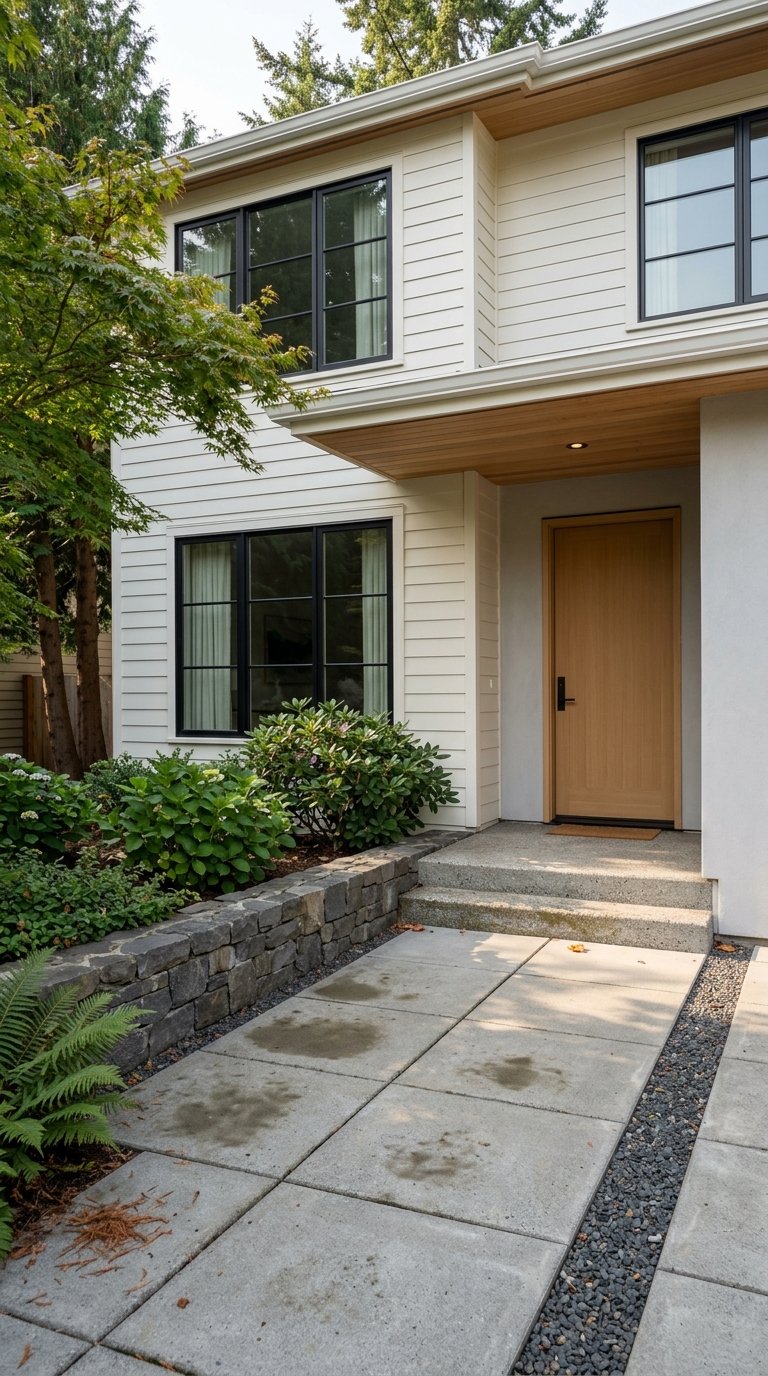
In Scottsdale, curb appeal is not just a marketing issue. It can also be part of basic property readiness. City code enforcement rules require land and adjacent areas to remain free of unsightly conditions, dead or bare dirt areas, weeds over 6 inches, and overgrown vegetation that obstructs sidewalks, streets, alleys, or rights-of-way.
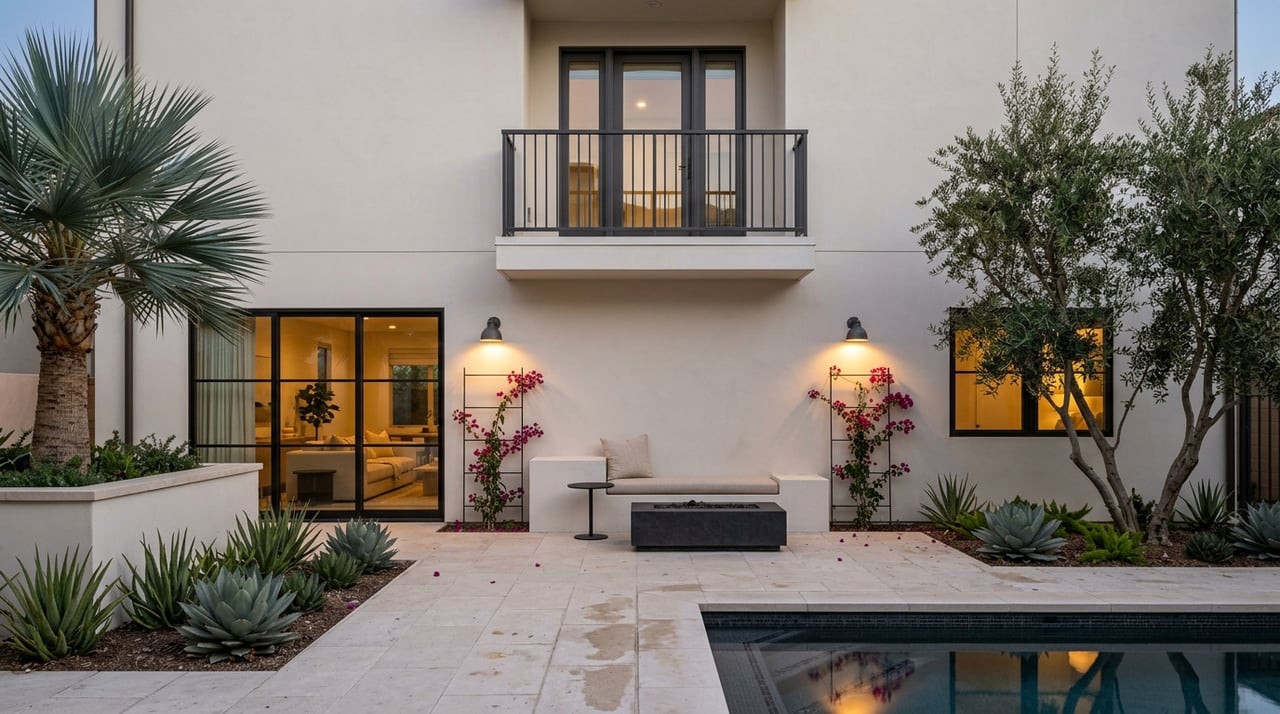
For luxury sellers, that means exterior preparation should happen early. Landscaping, touch-up work, cleanup, and small repairs can shape both buyer perception and listing readiness. Even a high-end home can feel less polished if the exterior looks neglected.
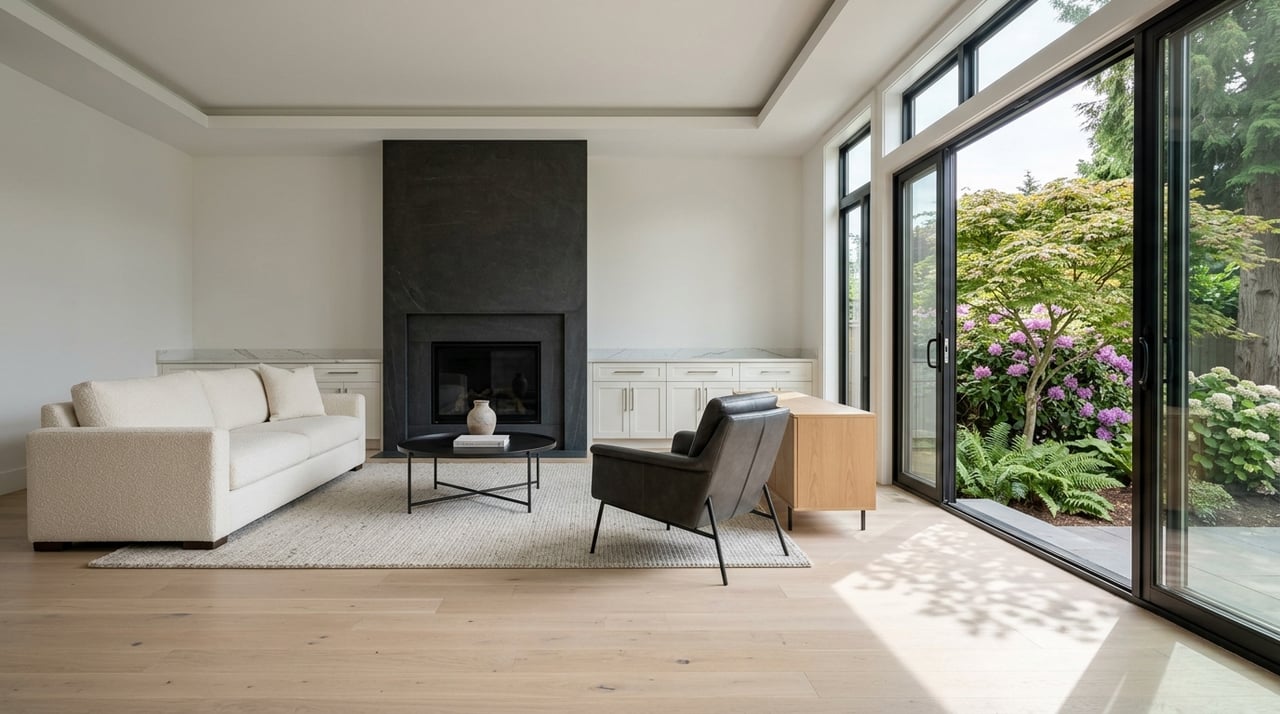
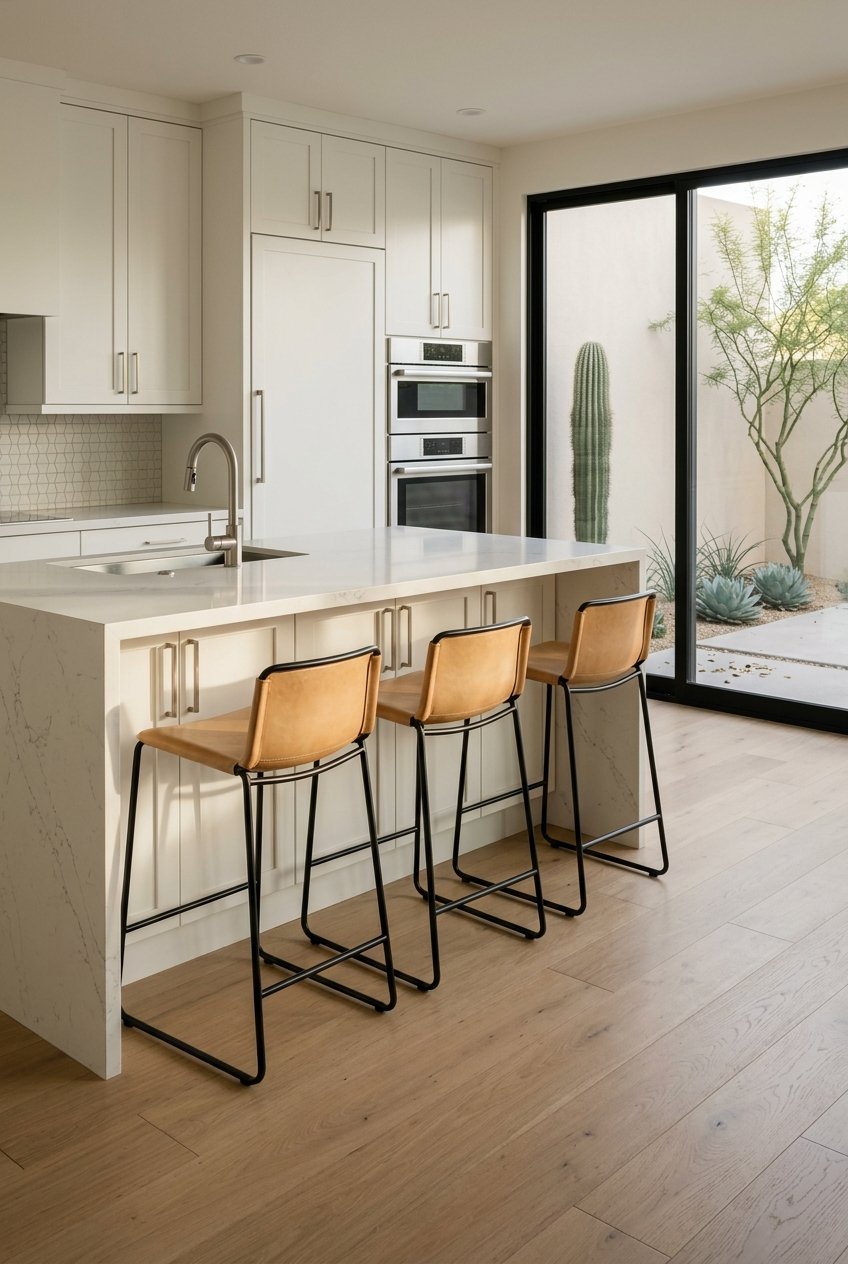
Inside the home, buyers in the luxury tier typically respond best to spaces that feel clean, bright, and easy to understand. A clear layout, restrained styling, and professional presentation can help buyers focus on the home’s quality instead of distractions. When buyers are comparing several impressive homes, small details can influence how memorable your property feels.
Marketing should reach more than local buyers
Scottsdale’s buyer pool is wider than a typical resale market. The city estimated 11.7 million total visitors in 2024 with a $3.7 billion economic impact. Scottsdale Airport also describes itself as one of the state’s premier corporate jet facilities, with customs service available daily from 9 a.m. to 7 p.m.
Those facts help explain why luxury marketing in Scottsdale should not focus only on nearby buyers. Your likely audience may include local high-income households, seasonal residents, and out-of-market buyers who already visit Scottsdale for shopping, sightseeing, celebrations, swimming, and hiking or backpacking. That broader exposure matters when you are selling a distinctive or higher-priced property.
Visitor patterns also affect how buyers shop. Domestic overnight visitors stay an average of 2.9 nights and spend about $324 per trip, which suggests that some out-of-town buyers may have a short window to tour homes. Because of that, polished photography, strong listing copy, easy showing access, and a sharp digital presentation are especially important.
Seasonality can shape timing
Scottsdale’s housing market has a meaningful seasonal component, and that can influence both timing and buyer behavior. With thousands of seasonal, recreational, or occasional-use units in the city, some luxury demand is tied to when second-home and part-time buyers are in town. That does not mean you should wait for a perfect season, but it does mean timing should be part of your strategy.
The best launch window depends on your home, your goals, and your competition at the time you list. In some cases, listing when more seasonal buyers are actively in Scottsdale can improve showing volume. In others, being one of fewer strong listings can help your home stand out.
This is where local planning matters. A launch date should support the story your home tells, the condition it shows in, and the type of buyer most likely to respond. Luxury sales often reward preparation more than speed.
Disclosures and documents should be ready early
One of the smartest things you can do before listing is organize your paperwork. In Arizona, every buyer is entitled to a Seller’s Property Disclosure Statement, or SPDS. Arizona Department of Real Estate guidance says the SPDS should be delivered within five days after acceptance, and sellers must disclose known material latent defects.
That means disclosure prep should not wait until you are already under contract. Gathering information early can help you answer questions accurately and keep the transaction moving. It can also reduce stress when offers come in quickly.
You should also expect title and community-related items to enter the conversation. Arizona guidance notes that the title report or commitment comes from the title and escrow company, and some HOAs charge sale-related fees. If your home is in a community with an association, having those details in mind before launch can make negotiations and closing feel more predictable.
What happens after you accept an offer
Many sellers hope the hard part ends once a contract is signed. In reality, Scottsdale luxury transactions often stay very active after acceptance. Buyers are advised to read the seller’s disclosure report and purchase contract carefully and pay close attention to inspection and challenge deadlines.
That usually means you should expect a detailed diligence period. Buyers may review condition issues, title exceptions, and HOA items before deciding whether to move forward as written, request changes, or challenge parts of the transaction. The process is normal, especially at higher price points where buyers tend to be thorough.
Arizona’s escrow framework is another part of the process to understand. State rules require brokers to place entrusted funds into a neutral escrow depository or trust account unless all parties instruct otherwise in writing, and state escrow law requires escrow property to be kept separate from the agent’s own money. The law also requires notice about the depositor’s right to earn interest on escrowed monies.
For you as a seller, the takeaway is simple. Closing is structured, document-heavy, and detail-oriented. A well-managed transaction depends on organized communication, timely responses, and careful follow-through from contract to closing day.
What luxury sellers should plan for
If you want a smoother sale, it helps to think in phases instead of one big event. Most Scottsdale luxury listings perform best when the launch is coordinated and intentional.
Here is what that usually looks like:
- Before listing: pricing analysis, exterior cleanup, staging or presentation planning, photography prep, and document gathering
- At launch: strong visuals, clear listing copy, broad exposure, and showing access that works for both local and out-of-town buyers
- During negotiations: thoughtful review of offer terms, not just price, including timing, contingencies, and buyer strength
- During escrow: disclosures, title review, inspections, HOA items if applicable, and deadline management through closing
This is one reason luxury sellers often benefit from a hands-on, organized approach. A high-value sale usually involves more moving parts, more buyer scrutiny, and more importance placed on presentation than a standard transaction.
Why guidance matters in Scottsdale
Selling a luxury home in Scottsdale is rarely about putting a sign in the yard and waiting. It is about pricing with discipline, presenting the home at a high level, reaching the right buyers, and staying organized through disclosures, escrow, and negotiations. When those pieces come together, you give your home the best chance to stand out in a competitive market.
If you are thinking about selling and want a tailored strategy for your home, connect with Jennifer Rogers for thoughtful guidance, polished marketing, and attentive support from pre-listing through closing.
FAQs
How long does it take to sell a luxury home in Scottsdale?
- As of June 3, 2026, Scottsdale single-family homes averaged 82 days on market year to date, but luxury timelines vary based on pricing, presentation, and buyer demand.
What affects luxury home pricing in Scottsdale?
- Pricing is shaped by current competition, recent sales, condition, presentation, lot appeal, and how buyers compare your home to other available luxury listings.
Does seasonality matter when selling a Scottsdale luxury home?
- Yes. Scottsdale has a meaningful seasonal-home component, so the time of year can influence buyer activity, especially among second-home and out-of-market buyers.
What documents should Scottsdale sellers prepare before listing?
- Sellers should prepare property details early, including information needed for the SPDS, and be ready for title and possible HOA-related items that may come up after a contract is accepted.
What happens after a Scottsdale home goes under contract?
- After acceptance, sellers should expect an escrow process that may include disclosures, inspections, title review, HOA items if applicable, and deadline-driven negotiations before closing.