What if the best weekend to see actual salmon in Issaquah Creek isn't the one with the parade, the food booths, and the eight-block road closure?
Every year, the assumption resets: Salmon Days is in early October, so that must be when the salmon return. It's a reasonable guess. It's also backward. The fish start showing up at the Issaquah Salmon Hatchery well before the festival gates go up, and they keep coming well after the last vendor tent comes down. The festival and the fish run are two separate calendars that happen to share a name and a weekend. Confusing them is what turns a quiet Tuesday walk into a Saturday spent circling for parking.
This year the 57th annual Salmon Days Festival lands on October 3 and 4, 2026, with a theme the Greater Issaquah Chamber of Commerce is calling "Stars, Stripes & Salmon," a nod to the country's 250th year woven into the usual mix of artisan booths, food vendors, and the Grande Parade. If you live here, the useful question isn't whether to go. It's which parts of the weekend are actually worth your time, and which parts you can skip entirely by understanding what the festival is layered on top of.
Two Calendars, One Name
The salmon run at the hatchery on West Sunset Way isn't a two-day event. Chinook and coho have historically been visible in the creek from mid-September into October, meaning the viewing window opens roughly three weeks before the festival starts and doesn't close the moment it ends. The festival itself is a commercial and civic overlay: booths, a stage lineup, a parade, and a Field of Fun built around Veterans Memorial Park, all organized by the Greater Issaquah Chamber of Commerce.
Separating the two means you get to choose. Want the fish without the crowd? Walk down before the festival weekend, on a weekday afternoon in late September, when the bridge over the creek belongs to whoever happens to be standing on it. Want the parade, the food, and the noise? That's a different trip, and it comes with different logistics.
What Actually Closes Downtown
The instinct is to write off all of downtown for the weekend. In past years, the actual footprint has been narrower than that. Front Street closes between Gilman Boulevard and Newport Way, and Sunset Way closes between Newport Way and 2nd Avenue, typically from early morning until evening on both festival days.
| Street | Typical Closure Window |
|---|---|
| Front Street S (Gilman Blvd to Newport Way SW) | Roughly 6 a.m. to 8 p.m., both days |
| Sunset Way (Newport Way to 2nd Ave SE) | Roughly 6 a.m. to 8 p.m., both days |
| Rainier Blvd (parade staging area) | Closed from parade start through dispersal |
That's a tight core, not the whole city. If your errand doesn't require Front Street itself, you may not need to reroute at all. Check the current year's map before you leave the house, since timing shifts slightly year to year, but don't assume the whole downtown grid is off limits just because the festival is in town.
The Parking Lots That Fund Local Schools
Here's a detail most visitor guides skip because they don't know the neighborhood: the pay parking lots that pop up for the weekend aren't run by a private operator. They're fundraisers. Lots at Issaquah Valley Middle School and Issaquah High School are run by the Issaquah Middle School PTSA. A lot near Front Street benefits Boy Scout Troop 636. Clark Elementary's PTA runs the lot at the Julius Boehm Pool. Paying to park in one of these isn't a convenience fee to a stranger. It's a small, direct donation to a program your kids, your neighbors' kids, or the school down the street actually uses.
If you'd rather skip parking altogether, King County Metro runs a shuttle from the Issaquah Transit Center directly to the festival, with buses departing roughly every 15 minutes for the length of the event. For residents in the Highlands or north Issaquah, that shuttle plus a short walk beats fighting for a spot on a residential street that wasn't built for festival-weekend volume.
Four Places to See Salmon That Aren't the Hatchery Bridge
The bridge at the Issaquah Salmon Hatchery on West Sunset Way is the postcard spot, and it's also where every single visitor ends up at the same time. If you want to see fish without standing shoulder to shoulder with a few hundred strangers, the hatchery's own resident guidance points to alternate viewing spots a short walk away:
- The Newport Bridge, on Newport Way SW near Front Street S
- The bridge on West Sunset Way itself, away from the main hatchery entrance
- NW Dogwood Street, just west of Rainier Boulevard N
- The bridge at Confluence Park
None of these require a festival ticket, a parking fee, or a weekend visit at all. They work just as well on a Tuesday in late September as they do during the festival, which is really the point. Docents from the Friends of the Issaquah Salmon Hatchery are stationed around the grounds during the festival to answer questions, but the fish themselves don't need an event to show up.
The Parade Route, If You're Watching or Just Trying to Get Around It
The Grande Parade starts at Confluence Park at 10 a.m. on Saturday, October 3, with road closures beginning around 9 a.m. From there it moves down Rainier Boulevard N, turns onto NW Dogwood Street, heads north on Front Street, and finishes along the south side of NE Gilman Boulevard before dispersing near Boehm's Candies. Streets reopen once the last parade entry clears the route, which in recent years has been a Recology truck bringing up the rear.
If you're planning to catch the parade, Front Street between Dogwood and Gilman gives you the longest unobstructed view. If you're just trying to get from one side of downtown to the other that morning, budget extra time or route around the loop entirely until midday.
What's New This Year
Beyond the festival footprint, downtown has had a few real changes worth knowing if you haven't been through in a while. Burgermaster's Issaquah location, a classic drive-in format, opened in late May with its own signature root beer recipe, a small but genuine addition to the town's food options outside the festival's food court. Up in the Highlands, Grand Ridge Plaza saw a tenant swap when Masthi Bar and Grill relocated into the space formerly held by Highlands Bistro, one more sign that the Plaza's restaurant lineup keeps turning over even in a quiet year.
None of this is really about the festival. It's about the fact that Issaquah in October looks different depending on whether you're watching for a weekend event or paying attention to what's actually changing on the ground.
That's the same distinction worth carrying into anything bigger than a weekend plan. Knowing which streets close and when is useful for a Saturday. Knowing how a neighborhood's rhythm actually works, which blocks fill up first, which lots serve the schools, how the Highlands and Olde Town read differently through the seasons, is the kind of knowledge that matters when the question isn't where to park but where to live.
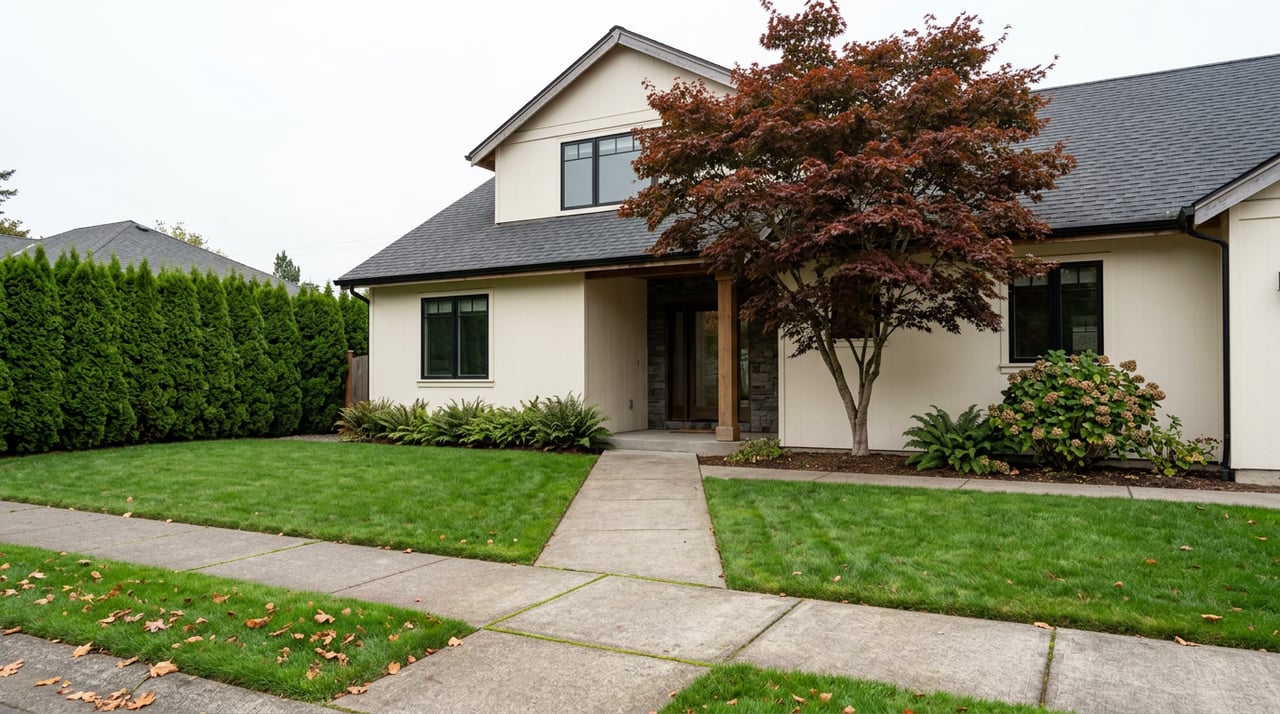
If you're weighing a move within Issaquah, or wondering what a home near downtown might be worth heading into fall, Jennifer Rogers works this market year-round, not just festival weekend. You can start with a current home valuation or browse the Issaquah neighborhood guide for a closer look at how Olde Town and the Highlands compare.